 Skip to content






















If you have ever checked your thermostat on a cold morning and noticed aux heat displayed, you are not alone. Many homeowners wonder what does aux heat mean on my thermostat and whether it signals a problem with their heating system.
When a thermostat shows auxiliary heat on my thermostat, it often raises concerns about higher heating bills, longer heat running cycles, and overall hvac efficiency.The reality is that auxiliary heat is a normal and essential feature in many modern heating systems.
What Is Auxiliary Heat?
Understanding what auxiliary heat mean, how your thermostat controls it, and when heating repair, cleaning, or installation services are needed helps every homeowner heat your home effectively while managing energy use.
Auxiliary heat is a built-in backup heating system within a heat pump system. When the heat pump is struggling to reach the thermostat set point, the thermostat energizes auxiliary heat to provide the heat needed to maintain a comfortable indoor temperature. Simply put, aux heat is short for auxiliary and refers to supplemental heat inside the heating system.
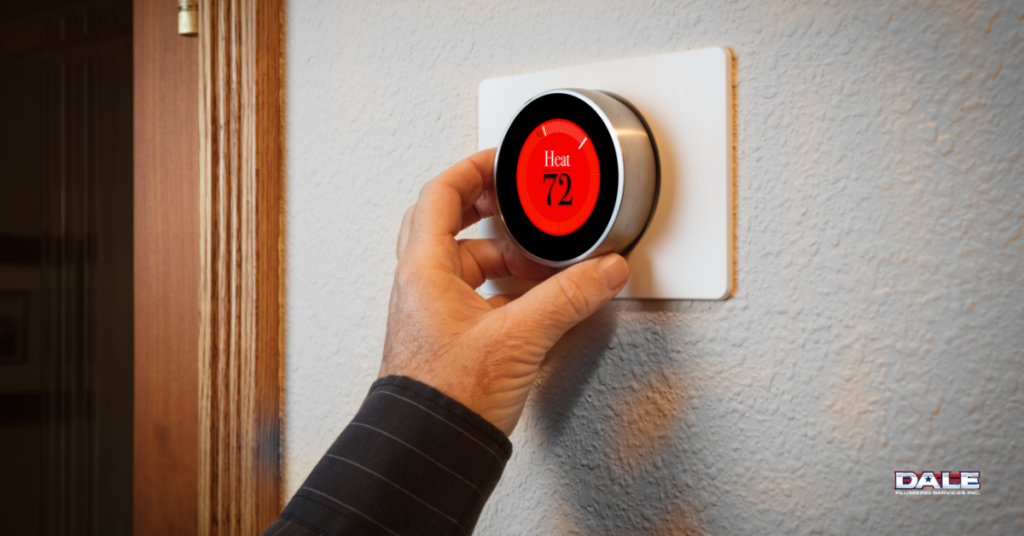
A heat pump works by moving heat from outside to inside your home. During mild weather, this process is efficient and cost effective. As the outdoor temperature drops, the available heat source weakens, and the heat pump can’t keep up. When this happens, the auxiliary heating system automatically activates to support the primary heat source.
In most systems, electric heat strips provide this backup heat. These electric resistance heating components are installed inside the indoor air handler. When the thermostat set temperature is not met, the thermostat energizes the auxiliary heat strip inside the unit, allowing the system to provide the heat required for comfort without manual input.
When Does Auxiliary Heat Turn On?
Aux heat turns on when the heat pump alone cannot produce enough heat. This is a normal function and does not usually indicate a problem with your hvac system.
Cold outdoor temperature is the most common reason. When temperatures drop into the low 30s or below, the heat pump will struggle to extract sufficient heat. At that point, aux heat come on automatically to support heating.
Aux heat may come on after large adjustments to the heat setting. If you raise the set temperature several degrees at once, the heat pump can’t keep up quickly. The thermostat energizes auxiliary heat to raise the indoor temperature faster.
Another situation occurs during defrost. When the pump is in defrost mode, the system reverses briefly to remove ice buildup. During this time, auxiliary heat gets activated so cold air does not blow indoors. Seeing the aux heat indicator during defrost simply signifies that your heat pump is protecting itself.
Auxiliary Heat vs Emergency Heat
The difference between auxiliary heat vs emergency heat often causes confusion. Although both serve as a secondary heat source, they operate very differently.
Auxiliary heat runs automatically with the heat pump heating process. It assists when the heat pump may not supply enough heat and shuts off once the heat system reaches the target indoor temperature. This is normal heat mode behavior.
Emergency heat is different. It is a manual setting on your thermostat. When you turn on the emergency heat, the heat pump isn’t used at all. Instead, the backup heating system such as electric heat or a gas furnace, provides all the heat. Emergency heat, unless recommended by an hvac professional, should be avoided because it increases heating bills and indicates a system issue.
Is Auxiliary Heat Bad for Your Heating System?
Auxiliary heat is not harmful when operating correctly. Manufacturers design heat pumps’ auxiliary heat systems to ensure reliable heating and cooling during winter.
However, electric heat is less efficient than standard heat pump operation. When aux heat turns on frequently, energy usage rises, which explains higher heating bills. If the thermostat is stuck on aux or stuck on aux heat during mild conditions, this could mean the home’s heat pump needs service.
Signs to watch for include heat coming on but not warming the home, frequent aux heat system activation, or poor performance unless heat pump repair is completed.
How to Reduce Auxiliary Heat Usage
You cannot fully eliminate auxiliary heat, but you can reduce how often it runs.
Gradual thermostat changes help. Avoid large setbacks so the heat pump thermostat can respond without triggering backup heat.
Maintain consistent heat on your thermostat. This helps the heat pump system operate efficiently.
Improve insulation and airflow. Proper sealing, insulation, and regular cleaning of vents and filters help maintain comfort.
Schedule professional hvac service. Preventive maintenance includes cleaning, inspection, and heating repair. Technicians test the digital thermostat, check electrical components, verify defrost, and confirm the aux mode works correctly.
Keep the outdoor unit clear of debris so the heat pump isn’t restricted.
When to Call Dale Plumbing Services Inc.
Call for professional help if auxiliary heat on my thermostat runs constantly, the thermostat shows aux heat without warming the home, or the system frequently switch to aux unexpectedly.
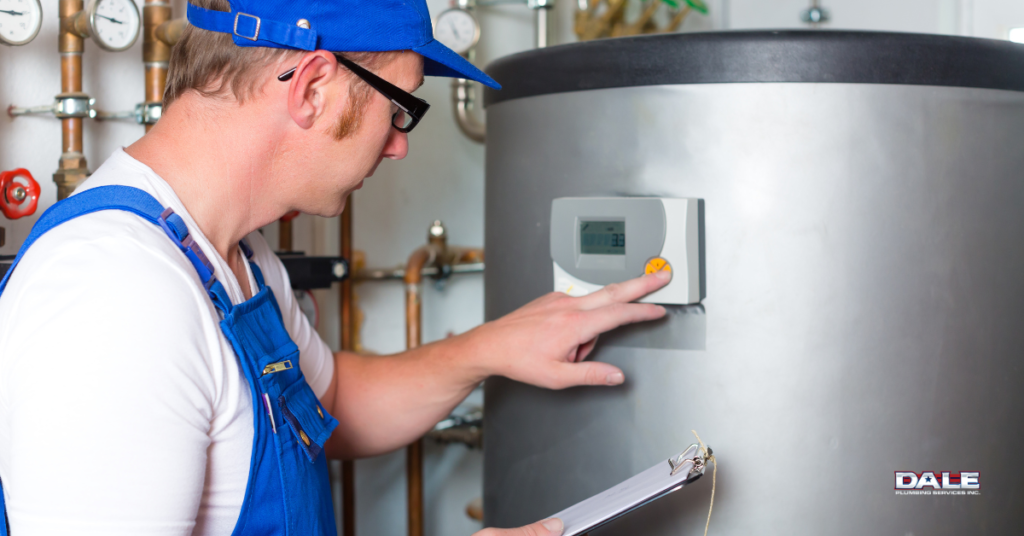
Dale Plumbing Services Inc. offers heating installation, repair, and cleaning services in Tewksbury, MA. Our technicians handle heat pump thermostat issues, auxiliary heating system diagnostics, and full hvac maintenance.
Understanding Winter Heating Costs
Using auxiliary heat costs more than standard heat pump heating because electric resistance heating consumes more energy. This increase in heating bills during extreme cold is normal and does not indicate failure.
Most winter heating relies on the heat pump. Auxiliary heat simply ensures comfort when conditions demand additional support.
Final Thoughts
Seeing heat mean on my thermostat or words “aux heat” usually means your heat system is working properly. Understanding know about auxiliary heat, how the thermostat energizes auxiliary heat, and when to use emergency heat allows homeowners to manage comfort and efficiency confidently.
Dale Plumbing Services Inc. continues to support local homeowners with expert heating repair, installation, and maintenance services for reliable winter comfort.


