Skip to content





















Many homeowners become concerned when they hear unusual noises or notice issues around a water heater. While it is uncommon, a water heater can explode if critical problems are ignored. Knowing the warning signs your water heater might show helps protect your home, your family, and the overall safety of your water heater system.
Can Water Heaters Explode? Safety Signs to Know
A water heater explosion occurs when pressure builds inside the water tank and safety mechanisms fail. Proper water heater installation, routine cleaning, timely repair, and regular inspection significantly reduce the chances that a water heater might explode.
How a Water Heater Explosion Happens
A water heater is designed to heat water inside the tank to a controlled water temperature, usually around 120 degrees. As the system works to heat water, pressure inside the tank increases. The relief valve and pressure relief valve are designed to release excess pressure when temperature and pressure reach unsafe levels.
If the relief valve fails, pressure builds inside the tank with no safe outlet. This pressure buildup can cause the water heater to explode. When the tank ruptures, superheated water instantly turns into steam, which can actually explode and lead to serious damage. This is how heaters can explode when safety systems stop working.
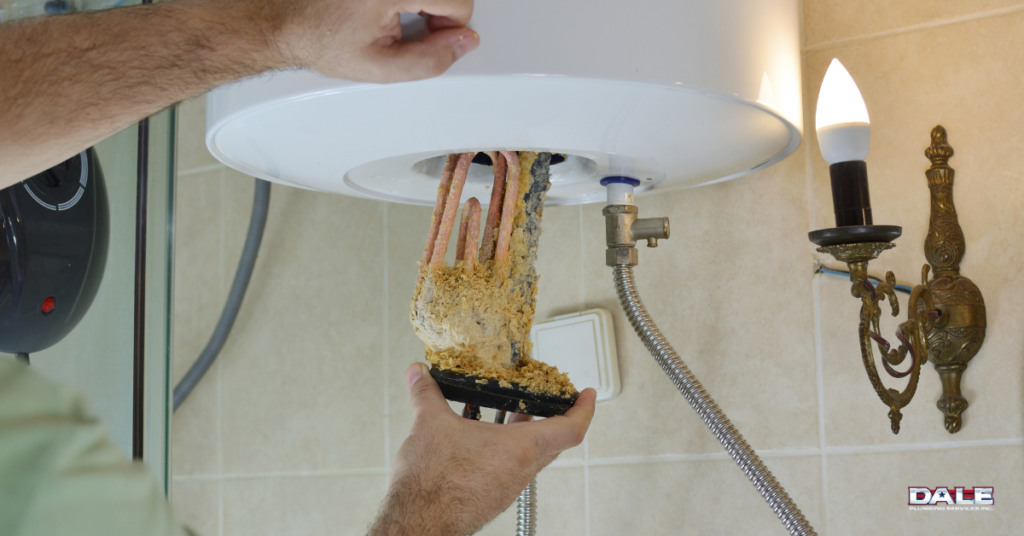
Sediment buildup is a common contributor. Minerals in the water settle at the bottom of the water heater. Over time, sediment can build and insulate the heating element, causing the unit to overheat. This leads to excessive pressure, pressure inside the tank reaching dangerous levels, and a higher risk of a water heater explosion.
Warning Signs Your Water Heater Is Going to Explode
Most systems show warning signs before a failure occurs. Recognizing the signs your water heater might display allows early repair and prevention.
Sounds Coming From the Water Heater
- Popping noises often indicate sediment buildup inside the tank
- Rumbling suggests much sediment trapping heat at the bottom of the water heater
- Hissing can indicate pressure release or a developing leak
Visible Issues Around Your Water Heater
- Water coming from around your water heater
- A leak near the bottom of the water heater
- Rust or corrosion forming on the water tank
- Brown water from a hot water heater tap
Smells and Gas Concerns
- A rotten egg smell or sulfur odor may signal a gas leak
- Rotten egg smell combined with hissing requires immediate inspection
Ignoring these water heater explosion warning signs can allow pressure to build and lead to an explosion.

Common Causes of Water Heater Problems
There are several common causes that increase the risk that a water heater is going to fail. Sediment buildup from minerals in the water creates accumulation inside the tank and reduces efficiency. Excess pressure may occur when an expansion tank is missing or not working correctly.
Improper installation and poor vent design can interfere with pressure relief. A valve fails when the pressure relief valve or t&p valve becomes blocked by corrosion or debris, preventing it from releasing excess pressure. Thermostat malfunction can cause the unit to overheat, while high water pressure stresses the water heater beyond safe limits.
Why Regular Maintenance Matters
Water heater maintenance is essential to prevent a water heater explosion and keep the system in good working condition. Regular maintenance includes inspection, flushing the tank, and checking safety mechanisms.
Annual Maintenance Tasks
- Flushing the tank to remove sediment buildup
- Testing the pressure relief valve
- Checking for leaks, rust, and corrosion
- Inspecting the vent, gas supply, and breaker connections
Ongoing Homeowner Checks
- Check for signs of leaks or rust
- Keep the temperature set to 120 degrees
- Listen for popping noises
- Monitor changes in water temperature
Regular inspections and annual maintenance performed by skilled plumbers help ensure the water heater is safe and reliable.
Tankless Water Heaters and Explosion Risk
Tankless water heaters do not store water in a large water tank, which reduces the buildup of pressure. However, tankless water heaters still require professional installation, inspection, and ongoing maintenance.
Improper installation, gas supply issues, or malfunctioning safety mechanisms can still create unsafe conditions. Even though the design lowers risk, tankless systems must remain properly maintained to prevent overheating or malfunction.
When to Call a Professional Plumber
If you are worried about your water heater or notice warning signs, contact a plumber immediately. Repair services should never be delayed when safety is involved.
A licensed plumber can:
- Inspect pressure buildup and pressure relief systems
- Test the pressure relief valve
- Repair leaks, corrosion, or malfunctioning components
- Recommend replacement if the heater is going to explode
Professional plumbers can determine whether repair or replacement is the safest option.

Replacement and Installation Considerations
A water heater installed more than 10 years ago may need replacement, especially if it shows rust, leaks, or pressure issues. Modern water heater installation includes improved safety mechanisms and better pressure control.
Properly installed systems with expansion tanks, correct venting, and accurate pressure settings significantly reduce the risk and help the water heater remain safe and reliable.