 Skip to content





















If you’ve noticed white crusty buildup on your faucets or struggled to get soap to lather properly, you’re likely dealing with hard water. It’s a common issue for homeowners in Tewksbury and throughout Massachusetts. A water softener can solve these problems, but like any home improvement investment, it comes with both benefits and drawbacks.
Understanding what a water softener does and how softeners work helps you make a smart choice about whether it’s right for your home. Let’s explore the pros and cons of a water softeners so you can decide what works best for your situation.
Understanding Hard Water in Your Home
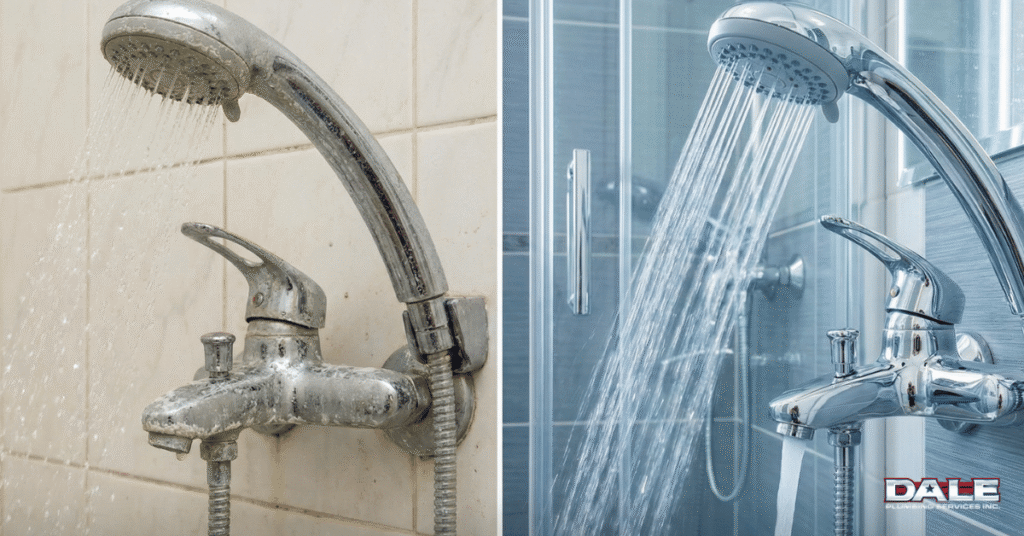
Hard water contains high levels of dissolved minerals, primarily calcium and magnesium. While these minerals are safe to drink, they create plenty of headaches around the house. The minerals found in hard water affect everything from your plumbing system to your skin and hair.
You’ll notice hard water through several telltale signs:
- Chalky white deposits around faucets and showerheads
- Spots on dishes and glassware even after washing
- Soap and shampoo that don’t lather well
- Dry skin feeling and dull hair after showering
- Scale buildup inside appliances and pipes
- Lower water pressure due to mineral accumulation
Massachusetts has varying degrees of water hardness depending on location, with many areas measuring above 7 grains per gallon. This mineral content affects your daily comfort and creates buildup inside your home’s plumbing over time.
Pros and Cons of a Water Softener
Your Appliances Last Longer
Hard water creates scale buildup inside water heaters, dishwashers, and washing machines. This crusty layer makes appliances work harder and wear out faster. Installing a water softener prevents that buildup from forming in the first place.
Your water heater won’t fight through mineral deposits to heat water efficiently. The water softener removes minerals like calcium and magnesium before they can damage your appliances. The result is equipment that runs better and lasts years longer than with hard water.
Better for Skin and Hair
The difference soft water makes for personal care surprises many homeowners. Hard water can cause mineral deposits on your skin that lead to dryness and irritation, especially for sensitive skin.
Soft water allows soap and shampoo to lather properly and rinse away cleanly:
- Skin feels smoother without hair and skin feeling dry
- Hair looks shinier without mineral buildup
- Soap rinses completely without leaving film
- Less irritation for people with skin sensitivities
Cleaner Dishes and Brighter Laundry
Those frustrating spots on your dishes and glassware disappear with soft water. Everything comes out sparkling clean without needing expensive rinse aids. The softener removes minerals like calcium that cause spotting and film.
Clothes washed in softened water come out brighter and softer. Whites stay whiter, colors look more vibrant, and fabrics feel better. You’ll also use less detergent because soft water doesn’t require as much to clean effectively.
Real Savings on Products and Energy
A water softener could reduce your household expenses significantly. You’ll use roughly half as much laundry detergent, dish soap, and hand soap compared to hard water. The water softener prevents mineral buildup that makes cleaning products less effective.
Your water heater also runs more efficiently without scale on heating elements. It heats water faster and uses less energy to maintain temperature. Lower energy bills combined with reduced spending on cleaning products means the benefits of a water softener pay for themselves over several years.
The Cons of a Water Softener
The Upfront Investment
Getting a water softener requires real financial commitment. A quality water softener system typically costs between $400 and $2,500 for the unit itself, depending on size and features. Different types of water softeners vary in price based on capacity and technology.
Dale Plumbing Services Inc. provides fair pricing for installation, repair, and maintenance of water treatment systems in Tewksbury. Professional installation adds another $300 to $500, and some homes need additional plumbing modifications to accommodate the softener system.
Ongoing Maintenance Requirements
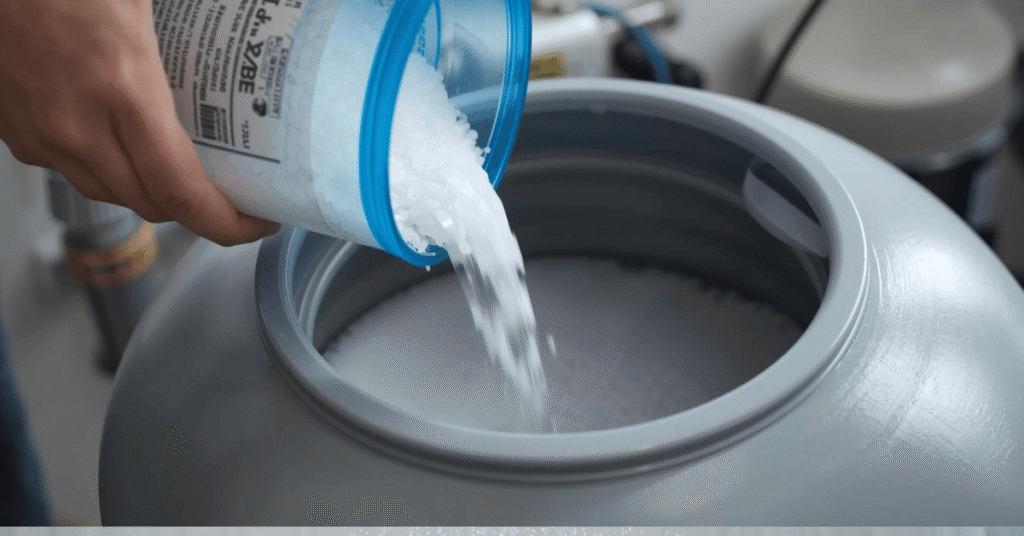
Water softeners require regular attention to keep working properly. Salt-based water softeners need periodic salt refills, which can cost $5 to $10 per bag. A typical household might go through several bags monthly.
You’ll also need to handle these maintenance tasks:
- Clean the brine tank periodically to prevent buildup
- Check and adjust settings as needed
- Sanitize the system occasionally
- Replace filters if your model includes them
- Schedule professional repair when needed
Added Sodium in Your Water
Traditional salt-based water softeners work through ion exchange, swapping calcium and magnesium for sodium. While the amount added is relatively small, it does increase sodium content in your home’s water supply. For people on low-sodium diets or those with certain health conditions, this can be a concern.
Many homeowners install a separate tap for drinking water that bypasses the softener. Salt-free water softeners or water conditioners offer alternatives that don’t add sodium but may not soften as effectively.
Water Usage During Regeneration
The regeneration cycle uses a fair amount of water to clean the resin beads. Depending on your system size and settings, this might waste water ranging from 25 to 65 gallons of water each cycle.
For environmentally conscious homeowners or those on a private well or septic system, this can feel significant. Newer high-efficiency water softener systems reduce the water used during regeneration but typically cost more upfront.
Space and Installation Needs
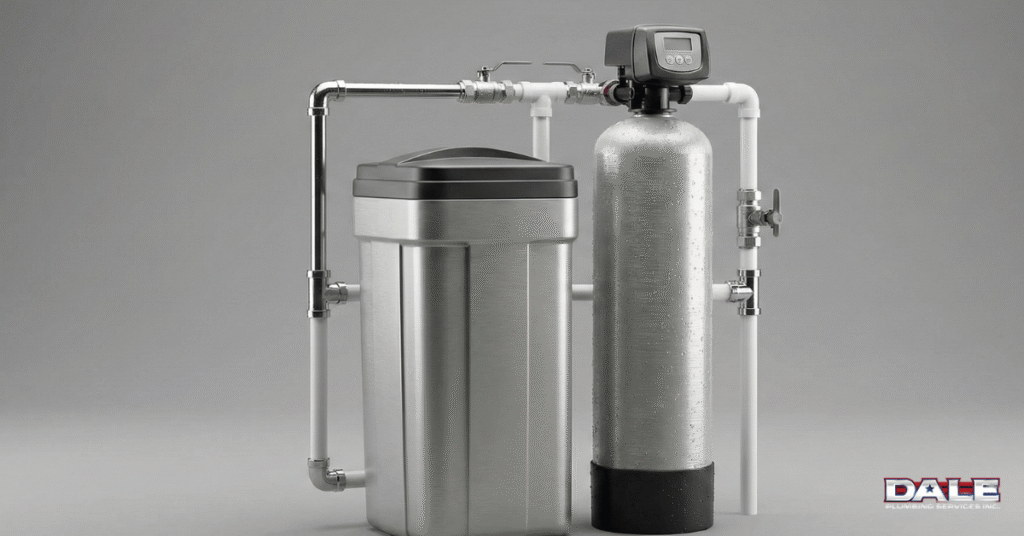
Choosing a water softener means finding space for the equipment. A typical residential water softener stands about 4 to 5 feet tall and needs room for both the softener tank and salt storage.
You’ll need a location with:
- Access to your main water line for installation
- A drain for regeneration waste water
- An electrical outlet for the control valve
- Adequate clearance for salt refills and cleaning
Basements work well for most installations, but not every home has ideal space available. Dale Plumbing Services Inc. can assess your home to determine the best location for your water system.
Not Ideal for Plants
The sodium in softened water isn’t good for watering plants, lawns, or gardens. Salt or potassium can damage soil and harm plants over time. Most installations include a bypass valve for outdoor faucets so you can use the harder the water for irrigation without affecting your landscaping.
Making the Right Choice for Your Home
The pros and cons of water softeners depend on your specific situation. Consider how severe your hard and soft water differences are and whether you’re constantly battling scale buildup. A water test can measure the hardness of the water in grains per gallon to help you decide if you need a water softener.
Think about your household size too. Larger families use a lot of water and will see bigger benefits from home water treatment. Budget matters both upfront and long-term, including installation costs and ongoing maintenance.
Salt-free water options like water conditioners provide alternatives that filter the water and conditions the water without adding sodium. These salt-free systems work differently but may be right for your home depending on your water quality and health considerations.
Dale Plumbing Services Inc. can get your water tested and help you understand whether installing a water softener makes sense for your Tewksbury home. Sometimes a salt-free system or targeted filtration system provides a better solution depending on your needs.
Final Thoughts
Water softeners solve real problems that many Tewksbury homeowners face daily. They protect your home’s plumbing system and appliances, make cleaning easier, and improve your personal care routine. When the pros outweigh the cons, a water softener in your home delivers tangible and long-lasting benefits with proper maintenance.
The cons of water softeners include upfront investment, ongoing maintenance, and trade-offs like increased sodium and water usage during regeneration. These drawbacks aren’t necessarily deal-breakers, but they deserve honest consideration when choosing a water softener for your home water supply.
If you’re considering water softener systems or want to explore your water treatment options, Dale Plumbing Services Inc. brings experience with installation, repair, and cleaning of water filtration systems to local homes. We can test your water, explain whether soft water doesn’t work for your situation, and help you choose a solution that fits your needs and budget. Contact us to keep your water quality at its best and ensure your plumbing runs smoothly for years to come.


