 Skip to content






















Power outages in Tewksbury, Massachusetts happen more often than most homeowners expect. Winter storms, summer thunderstorms, and aging infrastructure can leave you without power for hours or even days. That’s why many local residents invest in whole-home backup generators for reliable protection.
But here’s the big question: How Long Does a Whole Home Backup Generator Last? It’s a major investment, and you deserve to know what kind of lifespan you’re getting for your money. The answer depends on several key factors that every homeowner should understand.
Average Lifespan of Whole-Home Backup Generators
Most whole-home generators last between 15 and 25 years with proper routine maintenance. However, this range varies significantly based on fuel source and how well you care for the unit. Quality backup power systems are designed to run for days during extended outages while maintaining long-term reliability.
Expected lifespan by fuel type:
- Natural gas generators: 15 to 20 years average life expectancy
- Propane generators: 20 to 30 years with proper care
- Diesel generators: 20 to 30 years for residential units
- Gasoline portable generators: 10 to 15 years of regular use
The difference in how long a backup generator lasts comes down to how each fuel burns. Propane and diesel burn cleaner than natural gas, which reduces internal engine wear over time. Natural gas or propane generators that runs on natural gas are still excellent choices for homes with existing gas line service, they just require consistent maintenance to reach their maximum lifespan.
How Long Does a Whole Home Backup Generator Last: Key Factors
Quality Installation and Professional Service
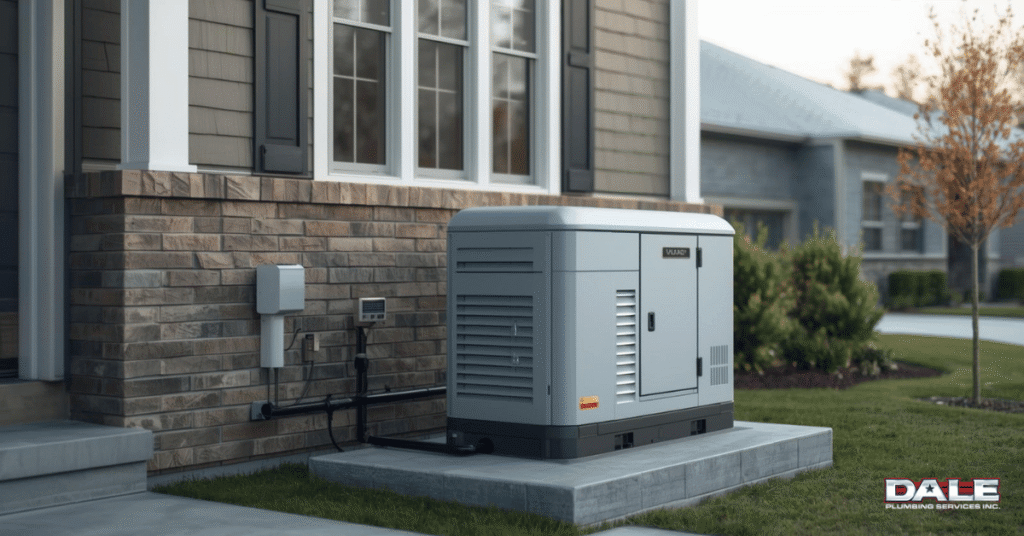
The brand and model you choose sets the foundation for your generator’s lifespan. Premium manufacturers like Generac, Kohler, and Cummins build units that last a long time. Budget models might save money upfront, but they often fail years earlier than quality equipment. A Generac generator properly maintained can easily reach 25 to 30 years of dependable home service.
Professional generator installation is just as important as the unit itself. Dale Plumbing Services Inc. works with Tewksbury homeowners on proper system installations that meet safety codes and manufacturer requirements. Poor installation, cleaning, and repair practices can cut years off the life of your generator, even if you bought the best model available.
Regular Maintenance and Cleaning Schedule
Maintenance is the single biggest factor in determining how long your standby generator run will be reliable. A well-maintained unit can easily reach 25 to 30 years, while a neglected generator isn’t likely to make it past 10 years.
Essential maintenance intervals:
- Weekly: Automatic exercise runs (10 to 15 minutes) to help extend the life
- Monthly: Visual inspections for leaks, cleaning debris, or damage
- Annually: Professional service including oil changes, filter replacements, and load testing
- After heavy use: Post-storm inspections following extended outage runtime
Annual professional service costs a few hundred dollars but prevents failures that could cost thousands. Regular yearly maintenance and cleaning are the best insurance policy for your investment. Check the oil levels during monthly inspections to ensure your generator can run smoothly.
Usage Patterns and Run Time
How often your home standby generator runs affects its lifespan, but not quite how you’d expect. Units that operate frequently during actual power outages do accumulate more wear. However, generators that sit unused for months often develop fuel system problems and seal deterioration.
The weekly exercise cycle is actually beneficial for longevity. These short runs keep components lubricated, prevent fuel from gumming up in the fuel tank, and maintain battery charge. After extended outages where your backup generator last ran for days at a time, schedule a professional inspection to catch any stress-related repair issues early.
Weather Conditions and Environment
Massachusetts weather tests outdoor equipment year-round. Your standby generator faces freezing winters, humid summers, and everything in between. These conditions impact how long components last and affect fuel consumption patterns.
Weather-related factors include:
- Temperature extremes: Cold starts stress engines more than warm-weather operation
- Moisture and humidity: Promotes corrosion on metal parts and electrical connections
- Snow and ice: Can block vents if allowed to accumulate during storms
- Foundation settling: Freeze-thaw cycles can shift improperly mounted units
Quality generators include weather-resistant enclosures, but protection degrades over time. Proper installation with adequate drainage and a stable foundation helps your unit withstand New England’s challenging climate and natural disasters.
Understanding Different Types of Generators
Knowing the main types of backup power systems helps you make informed decisions. Portable generators offer flexibility but require manual refuel and can only run for 30 hours before needing gasoline or propane. A portable one typically provides 200 hours to 500 hours of total runtime over its lifespan.
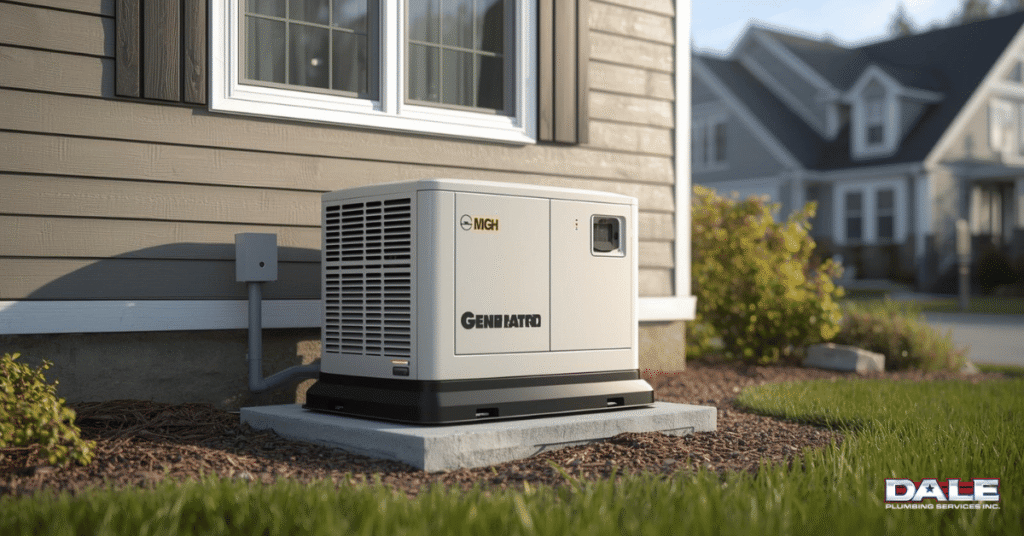
Whole house standby systems connect directly to your natural gas line or propane fuel tank, providing automatic backup power when utility power fails. These stationary units are designed to run continuously during extended outages without manual intervention, offering true peace of mind for your home or business.
Warning Signs You Need a New Backup Generator
Even well-maintained generators eventually reach the end of their useful life. Watch for these red flags that indicate it’s time to consider replacement rather than another repair. Long does a generator need to show problems before replacing? Typically, units over 20 years old with increasing issues should be evaluated carefully.
Common warning signs include:
- Frequent breakdowns requiring multiple repairs per year
- Noticeable decrease in power output during operation
- Excessive noise, vibration, or unusual sounds when generator running
- Repair costs approaching 50% of replacement value
- Age exceeding 20 years with increasing problems
- Difficulty finding replacement parts for older models
- Generator starts but doesn’t maintain consistent watt output
When your generator needs its third or fourth repair in a single year, replacement usually makes more financial sense than continued fixes. Know how long your unit has been in service and whether repair or replacement makes better financial sense.
Getting Maximum Life from Your Investment
Want to push your generator toward that 25 to 30-year mark? Start with quality equipment and professional installation from trusted local contractors like Dale Plumbing Services Inc. Use your generator wisely by understanding its capabilities and limitations.
The electricity source your generator provides should match your needs without overworking the unit. Air conditioning, major appliances, and whole house coverage require properly sized systems. Installing a whole-home generator that’s undersized will run continuously and wear out faster than a correctly matched unit.
Best practices for longevity:
- Keep it clean: Remove debris, trim vegetation, and maintain clear airflow around the unit
- Stick to the schedule: Never skip annual professional service appointments for cleaning and repair
- Document everything: Keep records of service dates, repairs, and part replacements
- Address problems early: Strange noises or performance changes deserve immediate attention
- Verify weekly runs: Make sure the automatic exercise cycle is functioning properly
- Monitor fuel levels: Check your fuel tank or gas line connections regularly
Treating your generator like a critical home system rather than something you can ignore until it breaks makes all the difference. The small investment in annual maintenance, cleaning, and repair pays back many times over in extended lifespan and reliability.
Making the Repair vs. Replace Decision
Age matters, but it’s not the only factor when deciding whether to repair or replace. A 12-year-old generator with a minor issue deserves repair. That same generator with major engine problems might be better replaced, especially if it’s no longer your primary power source during outages.
Decision framework:
- Under 10 years: Repair almost always makes sense unless damage is catastrophic
- 10 to 20 years: Evaluate repair cost versus half the price of a new generator
- Over 20 years: Lean toward replacement for any significant repair need
Also consider whether your power needs have changed. If you’ve added square footage or major appliances, your current generator might be undersized regardless of its condition. Upgrading to proper capacity makes more sense than repairing an inadequate unit that can’t serve as your backup when the power grid fails.
Protecting Your Tewksbury Home
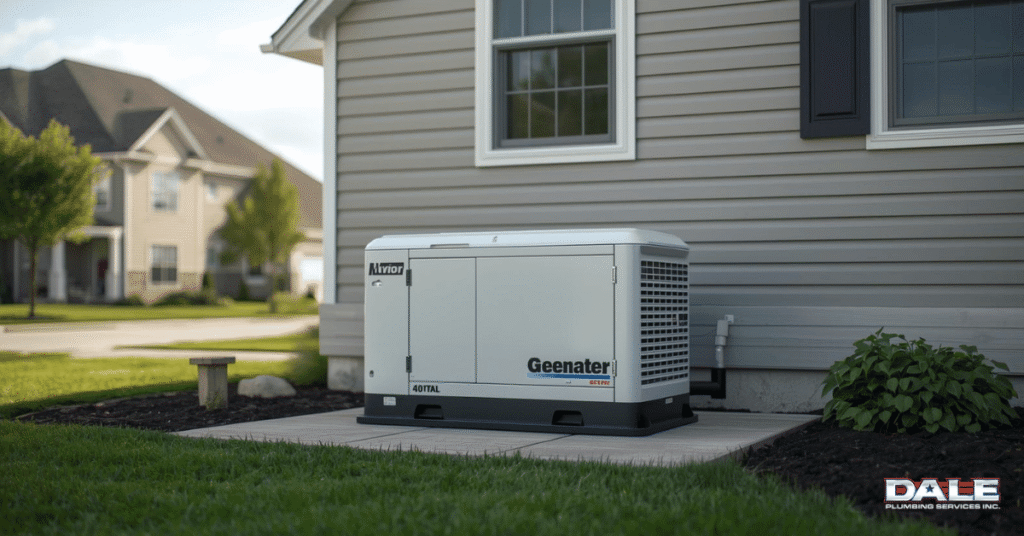
A whole-home backup generator represents a substantial investment in your family’s comfort and safety during outages. With proper care, cleaning, and professional maintenance, you can reasonably expect 15 to 25 years of dependable service from quality equipment. A backup generator lasts depends on how well you maintain it and the type of fuel it uses.
The key is consistent attention and working with professionals who understand these systems. Dale Plumbing Services Inc. provides expert plumbing and heating services throughout Tewksbury, MA. Our licensed and insured team delivers dependable results with fair pricing and fast response times. Whether you need routine maintenance, cleaning, repair, installation, or advice on home improvements, we’re the local professionals Tewksbury residents trust. Contact Dale Plumbing Services Inc. today for quality service that protects your home investment.


